
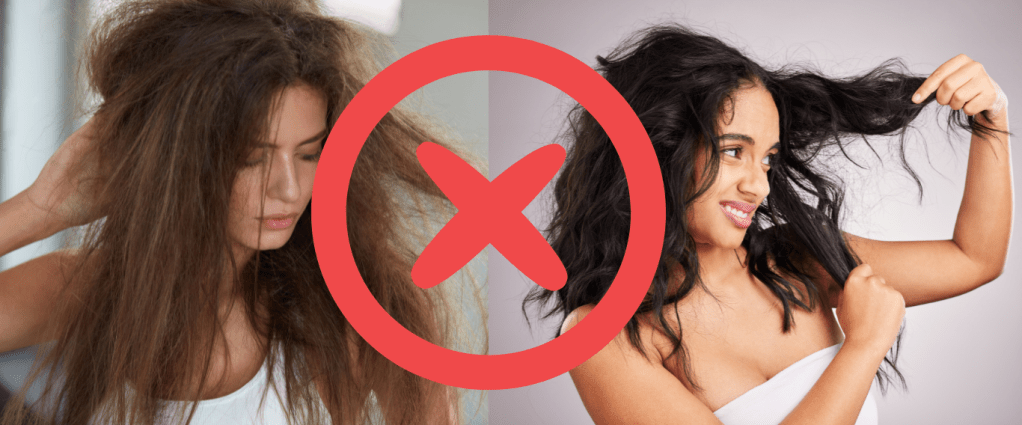
During winter, your hair can weaken, dry up and break. To keep your strands healthy and strong, follow these essential dos and don’ts for winter hair care.
Do’s
Moisturize Regularly
Use products with hydrating ingredients like aloe vera, glycerin, or shea butter to lock in moisture. Deep conditioning treatments or hair masks once a week can restore lost hydration and improve elasticity.
Wear Protective Styles
Braids, buns, or twists can shield your hair from exposure to harsh winds and cold air. Protective styles also minimize manipulation, reducing the risk of breakage.
Cover Your Hair
Wear a scarf, hat, or a hood to protect your hair from cold air and dry indoor heating. Opt for coverings lined with silk or satin to reduce friction and prevent frizz.
Seal in Moisture
After applying a leave-in conditioner, use natural oils like argan or jojoba oil to seal the moisture into your hair shaft. This creates a barrier against dryness caused by cold weather.
Keep Your Scalp Healthy
Moisturize your scalp using lightweight oils or serums containing tea tree oil or peppermint oil, which soothe dryness and irritation without clogging pores.
Don’t’s
Don’t Wash Hair Too Frequently
Frequent washing strips your hair of its natural oils, leading to further dryness. Aim for no more than 2–3 washes per week, using a sulphate-free shampoo to prevent excessive moisture loss.
Avoid Excessive Heat Styling
Winter already dehydrates hair, and frequent use of heat tools like flat irons or blow dryers can exacerbate the problem. Embrace heat-free styling methods or use tools on the lowest heat setting with a heat protectant.
Don’t Skip Trims
Split ends worsen in winter, so regular trims are essential to prevent breakage from spreading. Even small trims every 6–8 weeks can maintain healthy ends.
Don’t Use Harsh Brushes
Avoid stiff or plastic brushes that can snag and break hair. Opt for wide-tooth combs or boar bristle brushes, which are gentler on winter-dry strands.
Don’t Leave Hair Unprotected Overnight
Sleeping on cotton pillowcases can absorb moisture and create friction, leading to breakage. Use a silk or satin pillowcase, or wrap your hair in a silk scarf to preserve its hydration and minimize frizz.
By following these do’s and avoiding the don’t’s, you can safeguard your hair from winter damage and enjoy soft, healthy strands even during the coldest months!
 Dr. Regimen