Tag: Deep Conditioning

  • Top 5 Hydrating Hair Masks for Dry Winter Hair

    2–3 minutes

    Winter weather can leave your hair feeling dry, brittle, and in desperate need of moisture. A good hydrating hair mask can restore shine, elasticity, and softness by providing deep conditioning. Here are five types of hair masks, focusing on key ingredients and how they work to keep your locks healthy during the cold season.

    1. Avocado and Coconut Oil Mask

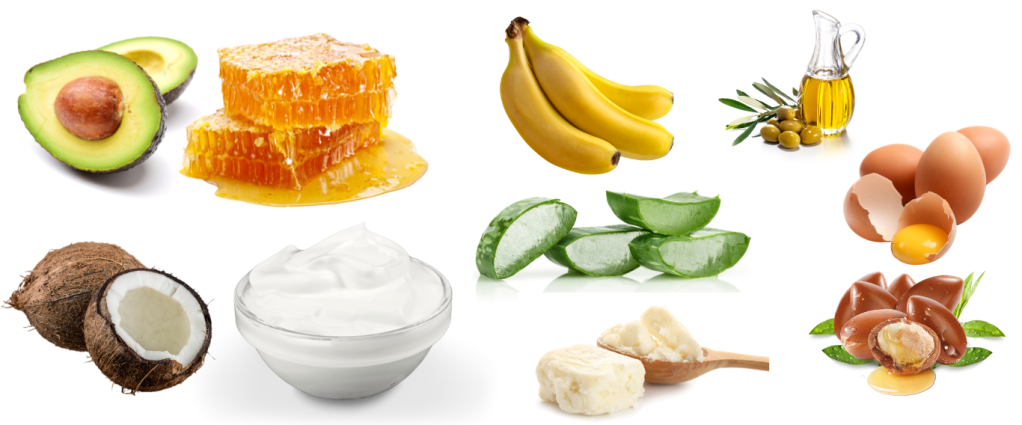
    Avocado is rich in healthy fats, vitamins A, D, and E, which nourish the hair shaft and scalp. Combined with coconut oil, which penetrates deeply into the hair to retain moisture, this mask helps repair damage while adding shine and softness.

    Best for:

    Dry, coarse, or curly hair types that require intense hydration and frizz control.

    2. Honey and Yogurt Mask

    Honey is a natural humectant, meaning it draws moisture from the air into the hair. Yogurt, on the other hand, contains proteins that help strengthen strands while its lactic acid gently exfoliates the scalp for a healthy foundation.

    Best for:

    Fine to medium hair that’s dry but prone to build-up.

    3. Banana and Olive Oil Mask

    Bananas are packed with potassium, natural oils, and vitamins that improve elasticity and prevent breakage. Olive oil acts as an emollient, sealing in moisture and leaving the hair feeling smooth and manageable.

    Best for:

    Hair that’s prone to breakage or split ends.

    4. Aloe Vera and Shea Butter Mask

    Aloe vera hydrates and soothes the scalp while delivering lightweight moisture to the hair. Shea butter provides a heavier, rich layer of hydration, locking in the benefits of aloe vera. This combo is perfect for fighting winter dryness and irritation.

    Best for:

    Sensitive scalps and natural hair textures in need of intense hydration.

    5. Egg and Argan Oil Mask

    Eggs are packed with protein, strengthening the hair shaft and helping rebuild damaged strands. Argan oil, known for its antioxidant-rich composition, adds hydration and reduces frizz while protecting hair from environmental damage.

    Best for:

    Colour-treated or chemically processed hair that needs both repair and moisture.

    Tips for Using Hair Masks in Winter:

    • Apply to damp hair: This allows the mask to penetrate more effectively.
    • Use heat: Wrap your hair in a warm towel or use a shower cap to trap heat, enhancing absorption.
    • Rinse with cool water: This helps seal the cuticle and lock in moisture.

    By choosing a mask tailored to your hair’s needs and incorporating it into your routine once or twice a week, you can protect your strands from winter’s harsh effects and keep them looking their best all season long.

    Now your hair is winter-proof! 🛡️❄️
  • How to Protect Your Hair From Winter Damage: Dos and Don’ts

    2–3 minutes

    During winter, your hair can weaken, dry up and break. To keep your strands healthy and strong, follow these essential dos and don’ts for winter hair care.

    Do’s

    Moisturize Regularly

    Use products with hydrating ingredients like aloe vera, glycerin, or shea butter to lock in moisture. Deep conditioning treatments or hair masks once a week can restore lost hydration and improve elasticity.

    Wear Protective Styles

    Braids, buns, or twists can shield your hair from exposure to harsh winds and cold air. Protective styles also minimize manipulation, reducing the risk of breakage.

    Cover Your Hair

    Wear a scarf, hat, or a hood to protect your hair from cold air and dry indoor heating. Opt for coverings lined with silk or satin to reduce friction and prevent frizz.

    Seal in Moisture

    After applying a leave-in conditioner, use natural oils like argan or jojoba oil to seal the moisture into your hair shaft. This creates a barrier against dryness caused by cold weather.

    Keep Your Scalp Healthy

    Moisturize your scalp using lightweight oils or serums containing tea tree oil or peppermint oil, which soothe dryness and irritation without clogging pores.

    Don’t’s

    Don’t Wash Hair Too Frequently

    Frequent washing strips your hair of its natural oils, leading to further dryness. Aim for no more than 2–3 washes per week, using a sulphate-free shampoo to prevent excessive moisture loss.

    Avoid Excessive Heat Styling

    Winter already dehydrates hair, and frequent use of heat tools like flat irons or blow dryers can exacerbate the problem. Embrace heat-free styling methods or use tools on the lowest heat setting with a heat protectant.

    Don’t Skip Trims

    Split ends worsen in winter, so regular trims are essential to prevent breakage from spreading. Even small trims every 6–8 weeks can maintain healthy ends.

    Don’t Use Harsh Brushes

    Avoid stiff or plastic brushes that can snag and break hair. Opt for wide-tooth combs or boar bristle brushes, which are gentler on winter-dry strands.

    Don’t Leave Hair Unprotected Overnight

    Sleeping on cotton pillowcases can absorb moisture and create friction, leading to breakage. Use a silk or satin pillowcase, or wrap your hair in a silk scarf to preserve its hydration and minimize frizz.

    By following these do’s and avoiding the don’t’s, you can safeguard your hair from winter damage and enjoy soft, healthy strands even during the coldest months!