Author: micaela

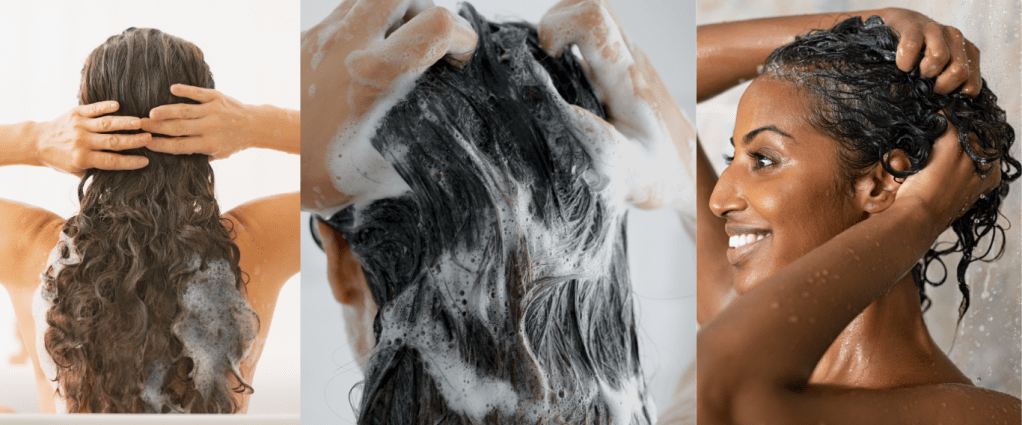
  • Winter Wash Day Routines for Different Hair Types

    2–3 minutes

    Winter weather can be tough on all hair types, but adjusting your wash day routine can help maintain healthy, hydrated strands. From straight and fine to tightly coiled textures, here’s how to care for your hair during the colder months.

    Type 1A-1C (Straight Hair)

    Focus: Prevent oil build-up without over-drying.

    Frequency: Wash 2–3 times a week to manage natural oils.

    Shampoo: Use a lightweight, sulphate-free formula to cleanse without stripping moisture.

    Conditioner: Focus on the ends with a hydrating conditioner containing ingredients like aloe vera or panthenol.

    Extra Care: Add a scalp scrub once a week to clear product build-up and maintain a clean scalp.

    Type 2A-2C (Wavy Hair)

    Focus: Balance moisture and definition.

    Frequency: Wash every 3–4 days to avoid disrupting natural wave patterns.

    Shampoo: Use a gentle, moisturizing shampoo with glycerin or shea butter to combat winter dryness.

    Conditioner: Apply a lightweight conditioner to detangle and hydrate, focusing on mid-lengths and ends.

    Extra Care: Incorporate a leave-in conditioner or lightweight oil (like argan or grape seed) to lock in hydration and reduce frizz.

    Type 3A-3C (Curly Hair)

    Focus: Retain moisture and reduce frizz.

    Frequency: Wash once a week or as needed to maintain moisture levels.

    Shampoo: Choose a co-wash or moisturizing shampoo with coconut oil or aloe vera to gently cleanse without stripping natural oils.

    Conditioner: Apply a rich, hydrating conditioner, ensuring even distribution with a wide-tooth comb.

    Extra Care: Seal in moisture with a hair butter or cream, and use a deep conditioner bi-weekly for added hydration.

    Type 4A-4C (Coily Hair)

    Focus: Maximize moisture retention and reduce manipulation.

    Frequency: Wash every 1–2 weeks to minimize moisture loss.

    Shampoo: Use a sulphate-free, hydrating shampoo or co-wash enriched with shea butter or argan oil to gently cleanse.

    Conditioner: Apply a thick, nutrient-rich conditioner and leave it in for 10–15 minutes to deeply moisturize.

    Extra Care: Seal in hydration with a layering technique—leave-in conditioner followed by a thick oil (like castor oil) or cream. Consider protective styles to shield hair from harsh winter conditions.

    Winter Tips for All Hair Types:

    • Use Lukewarm Water: Hot water can strip hair of moisture. Stick to lukewarm water for washing and finish with cold water to seal the cuticle.
    • Reduce Heat Styling: Air-dry whenever possible, or use a blow-dryer with a diffuser and a low heat setting.
    • Scalp Care: Massage your scalp with lightweight oils like tea tree or jojoba to prevent dryness and promote circulation.

    Final Tip: Listen to your hair! If ends feel crunchy or roots greasy, adjust product amounts or wash frequency. Winter routines are about flexibility—layer moisture, protect from the elements, and embrace your hair’s natural rhythm. Stay glowing, strand to tip! ✨
  • Healthy Scalp, Happy Hair: Winter Scalp Care Essentials

    2–3 minutes

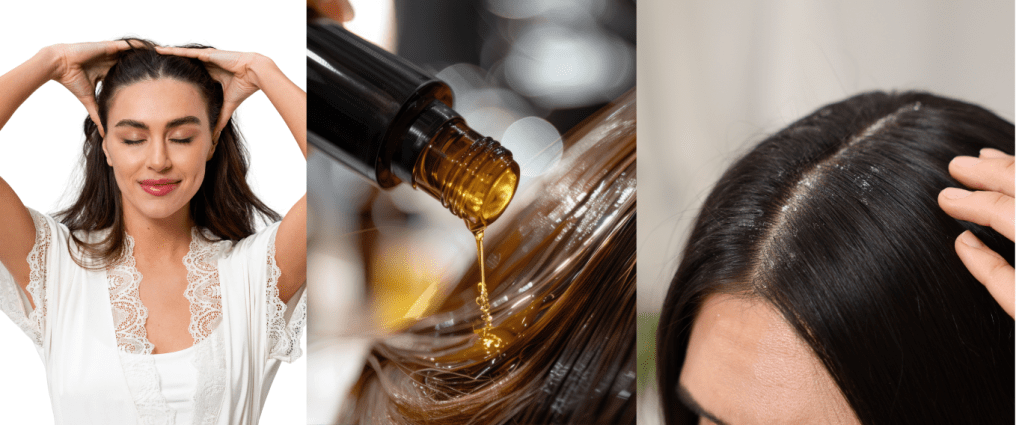
    A healthy scalp is the foundation of beautiful hair, but winter can challenge its balance. Cold air, indoor heating, and reduced humidity often lead to dryness, itchiness, and flaking. By prioritizing your scalp care routine, you can keep it hydrated, nourished, and comfortable throughout the season. Here are the essentials for winter scalp care.

    1. Moisturize Your Scalp

    Why: Winter air strips moisture from your scalp, leading to dryness and itchiness.

    How: Use natural oils like coconut, argan, or jojoba oil to hydrate your scalp. Apply a small amount directly to your scalp, massage gently, and leave it on for at least 30 minutes before shampooing.

    2. Exfoliate Gently

    Why: Dead skin cells and product build-up can clog follicles, leading to itchiness or dull hair growth.

    How: Use a DIY scalp scrub made from sugar and olive oil, or apply a product with gentle exfoliating properties like salicylic acid. Exfoliate once a week to maintain a clean and healthy scalp.

    3. Avoid Overwashing

    Why: Frequent shampooing can strip the scalp of its natural oils, exacerbating dryness.

    How: Wash your hair 2–3 times per week with a sulfate-free shampoo to cleanse without over-drying. Opt for lukewarm water instead of hot water to avoid further irritation.

    4. Stay Hydrated and Balanced

    Why: A well-hydrated body helps maintain a healthy scalp.

    How: Drink plenty of water throughout the day and include omega-3-rich foods like fish, nuts, and seeds in your diet to nourish your scalp from within.

    5. Protect Your Scalp from the Elements

    Why: Cold winds and low humidity can exacerbate dryness and irritation.

    How: Wear a hat or scarf when outdoors, but choose materials like silk or satin for direct contact with your hair to reduce friction and dryness.

    6. Treat Flaking and Irritation

    Why: Dandruff or scalp irritation can worsen in winter due to dryness or sensitivity.

    How: Opt for treatments with soothing ingredients like tea tree oil, aloe vera, or chamomile to calm the scalp. For more persistent dandruff, use an antifungal solution like apple cider vinegar diluted with water.

    By caring for your scalp during the colder months, you’ll not only prevent discomfort but also create the perfect environment for healthy, vibrant hair. A little extra attention to scalp health will go a long way toward keeping your hair happy all winter long.

  • Top 5 Hydrating Hair Masks for Dry Winter Hair

    2–3 minutes

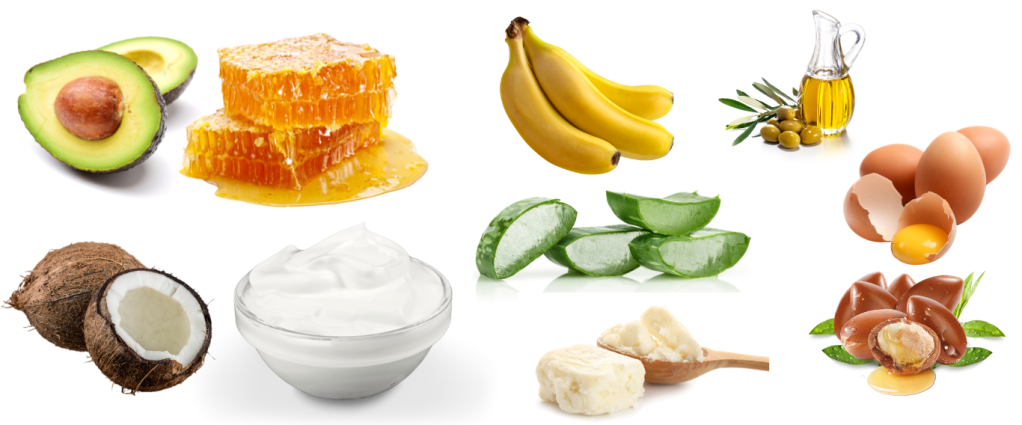
    Winter weather can leave your hair feeling dry, brittle, and in desperate need of moisture. A good hydrating hair mask can restore shine, elasticity, and softness by providing deep conditioning. Here are five types of hair masks, focusing on key ingredients and how they work to keep your locks healthy during the cold season.

    1. Avocado and Coconut Oil Mask

    Avocado is rich in healthy fats, vitamins A, D, and E, which nourish the hair shaft and scalp. Combined with coconut oil, which penetrates deeply into the hair to retain moisture, this mask helps repair damage while adding shine and softness.

    Best for:

    Dry, coarse, or curly hair types that require intense hydration and frizz control.

    2. Honey and Yogurt Mask

    Honey is a natural humectant, meaning it draws moisture from the air into the hair. Yogurt, on the other hand, contains proteins that help strengthen strands while its lactic acid gently exfoliates the scalp for a healthy foundation.

    Best for:

    Fine to medium hair that’s dry but prone to build-up.

    3. Banana and Olive Oil Mask

    Bananas are packed with potassium, natural oils, and vitamins that improve elasticity and prevent breakage. Olive oil acts as an emollient, sealing in moisture and leaving the hair feeling smooth and manageable.

    Best for:

    Hair that’s prone to breakage or split ends.

    4. Aloe Vera and Shea Butter Mask

    Aloe vera hydrates and soothes the scalp while delivering lightweight moisture to the hair. Shea butter provides a heavier, rich layer of hydration, locking in the benefits of aloe vera. This combo is perfect for fighting winter dryness and irritation.

    Best for:

    Sensitive scalps and natural hair textures in need of intense hydration.

    5. Egg and Argan Oil Mask

    Eggs are packed with protein, strengthening the hair shaft and helping rebuild damaged strands. Argan oil, known for its antioxidant-rich composition, adds hydration and reduces frizz while protecting hair from environmental damage.

    Best for:

    Colour-treated or chemically processed hair that needs both repair and moisture.

    Tips for Using Hair Masks in Winter:

    • Apply to damp hair: This allows the mask to penetrate more effectively.
    • Use heat: Wrap your hair in a warm towel or use a shower cap to trap heat, enhancing absorption.
    • Rinse with cool water: This helps seal the cuticle and lock in moisture.

    By choosing a mask tailored to your hair’s needs and incorporating it into your routine once or twice a week, you can protect your strands from winter’s harsh effects and keep them looking their best all season long.

    Now your hair is winter-proof! 🛡️❄️

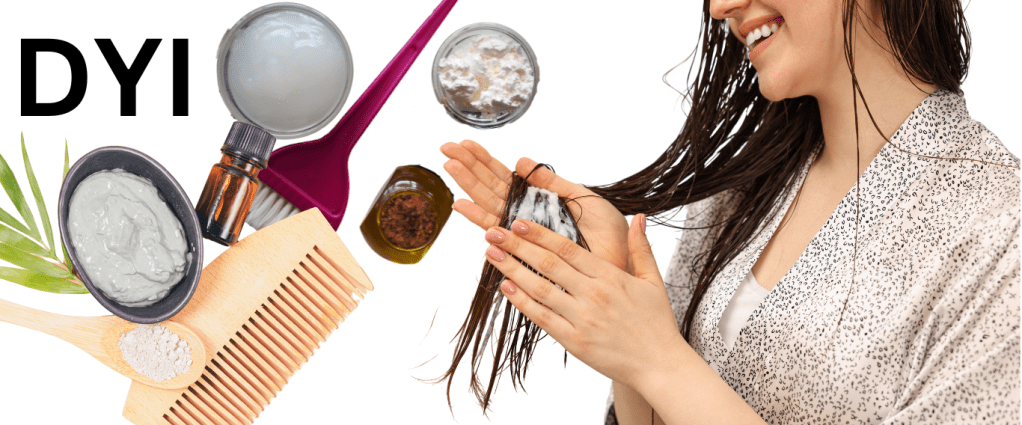
  • DIY Hair Treatments Using Ingredients From Your Kitchen

    2–3 minutes

    Your kitchen isn’t just for cooking—it’s a treasure trove of natural ingredients that can work wonders for your hair. DIY hair treatments are easy to make, affordable, and free of unnecessary chemicals. Here are some effective recipes using everyday items to address common hair concerns.

    1. Moisturizing Hair Mask: Avocado and Olive Oil

    How it works:

    Avocado is rich in vitamins and healthy fats that hydrate and nourish dry strands. Olive oil penetrates the hair shaft, locking in moisture and adding shine.

    Recipe:

    Mash 1 ripe avocado until smooth.

    Mix with 2 tablespoons of olive oil.

    Apply to damp hair, focusing on the ends.

    Leave on for 20–30 minutes, then rinse and shampoo.

    Best for: Dry or frizzy hair.

    2. Scalp Soothing Treatment: Aloe Vera and Honey

    How it works:

    Aloe vera hydrates and calms irritated scalps, while honey is a humectant that retains moisture and promotes a healthy scalp environment.

    Recipe:

    Combine 2 tablespoons of aloe vera gel with 1 tablespoon of honey.

    Massage into your scalp and let it sit for 15–20 minutes.

    Rinse thoroughly and follow with conditioner.

    Best for: Dry or flaky scalps.

    3. Strengthening Protein Mask: Egg and Yogurt

    How it works:

    Eggs are packed with protein, essential for repairing damaged hair, while yogurt strengthens strands and soothes the scalp with its lactic acid.

    Recipe:

    Beat 1 egg and mix with 2 tablespoons of plain yogurt.

    Apply the mixture evenly from roots to ends.

    Leave on for 20 minutes, then rinse with cool water to avoid cooking the egg.

    Best for: Weak or damaged hair.

    4. Shine Booster: Apple Cider Vinegar Rinse

    How it works:

    Apple cider vinegar restores the hair’s natural pH balance, removes build-up, and enhances shine.

    Recipe:

    Mix 2 tablespoons of apple cider vinegar with 1 cup of water.

    After shampooing, pour the mixture over your hair and let it sit for a few minutes.

    Rinse with cool water.

    Best for: Dull or lifeless hair.

    5. Split-End Remedy: Coconut Oil and Banana

    How it works:

    Coconut oil deeply moisturizes, while banana adds elasticity and reduces the appearance of split ends.

    Recipe:

    Mash 1 ripe banana and mix with 1 tablespoon of coconut oil.

    Apply to the ends of your hair and let it sit for 30 minutes.

    Rinse and shampoo as usual.

    Best for: Hair prone to breakage or split ends.

    These simple treatments, made with ingredients you likely already have, are a natural way to pamper your hair without the need for expensive products. Customize them to suit your hair type and enjoy the benefits of healthy, nourished locks!

  • How to Protect Your Hair From Winter Damage: Dos and Don’ts

    2–3 minutes

    During winter, your hair can weaken, dry up and break. To keep your strands healthy and strong, follow these essential dos and don’ts for winter hair care.

    Do’s

    Moisturize Regularly

    Use products with hydrating ingredients like aloe vera, glycerin, or shea butter to lock in moisture. Deep conditioning treatments or hair masks once a week can restore lost hydration and improve elasticity.

    Wear Protective Styles

    Braids, buns, or twists can shield your hair from exposure to harsh winds and cold air. Protective styles also minimize manipulation, reducing the risk of breakage.

    Cover Your Hair

    Wear a scarf, hat, or a hood to protect your hair from cold air and dry indoor heating. Opt for coverings lined with silk or satin to reduce friction and prevent frizz.

    Seal in Moisture

    After applying a leave-in conditioner, use natural oils like argan or jojoba oil to seal the moisture into your hair shaft. This creates a barrier against dryness caused by cold weather.

    Keep Your Scalp Healthy

    Moisturize your scalp using lightweight oils or serums containing tea tree oil or peppermint oil, which soothe dryness and irritation without clogging pores.

    Don’t’s

    Don’t Wash Hair Too Frequently

    Frequent washing strips your hair of its natural oils, leading to further dryness. Aim for no more than 2–3 washes per week, using a sulphate-free shampoo to prevent excessive moisture loss.

    Avoid Excessive Heat Styling

    Winter already dehydrates hair, and frequent use of heat tools like flat irons or blow dryers can exacerbate the problem. Embrace heat-free styling methods or use tools on the lowest heat setting with a heat protectant.

    Don’t Skip Trims

    Split ends worsen in winter, so regular trims are essential to prevent breakage from spreading. Even small trims every 6–8 weeks can maintain healthy ends.

    Don’t Use Harsh Brushes

    Avoid stiff or plastic brushes that can snag and break hair. Opt for wide-tooth combs or boar bristle brushes, which are gentler on winter-dry strands.

    Don’t Leave Hair Unprotected Overnight

    Sleeping on cotton pillowcases can absorb moisture and create friction, leading to breakage. Use a silk or satin pillowcase, or wrap your hair in a silk scarf to preserve its hydration and minimize frizz.

    By following these do’s and avoiding the don’t’s, you can safeguard your hair from winter damage and enjoy soft, healthy strands even during the coldest months!